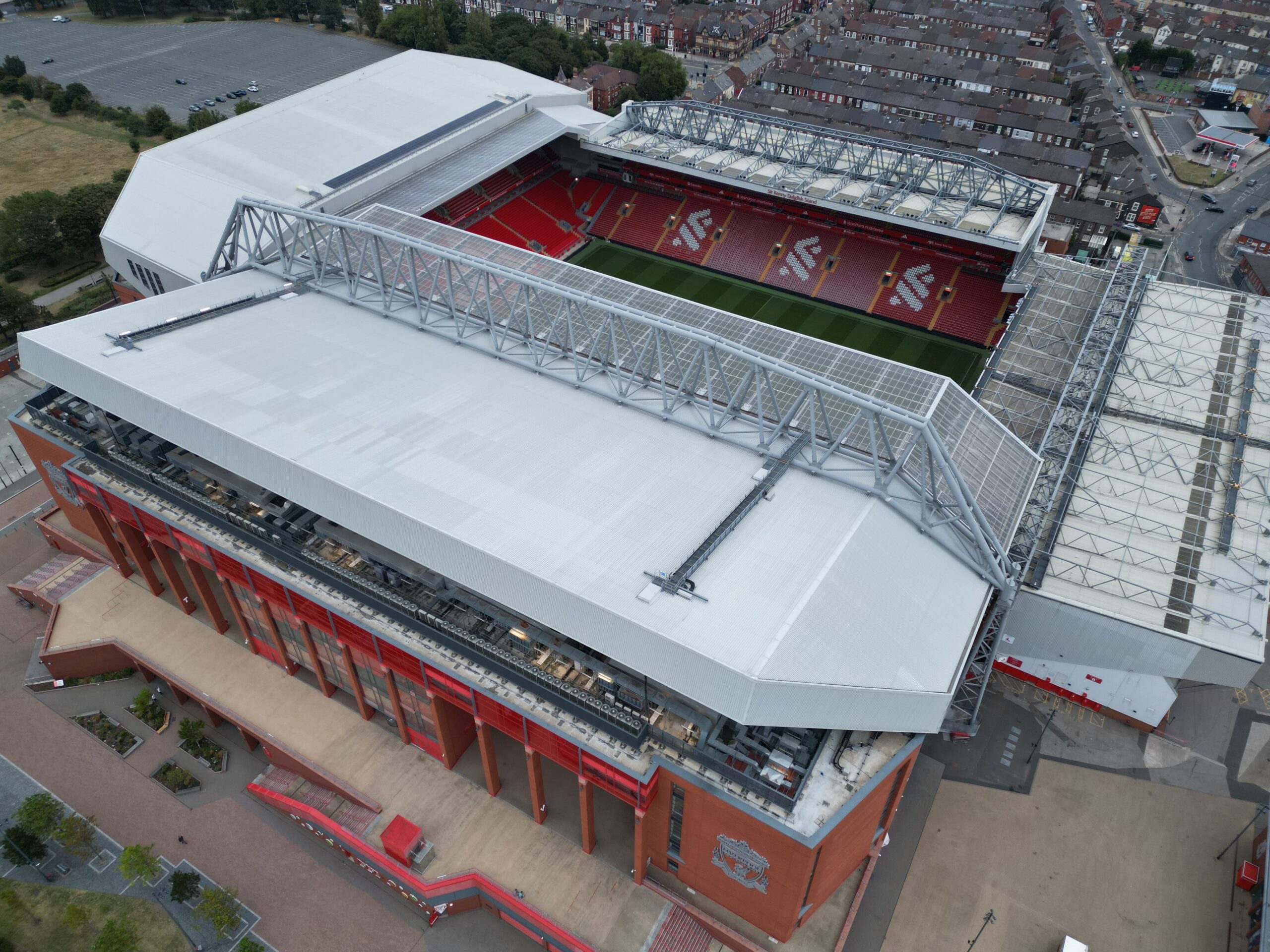
Liverpool Anfield Stadium
In the mid-1980s, Merseyside was the epicenter of English football, with Everton and Liverpool consistently vying for top honors. This fierce rivalry culminated in the 1986 FA Cup final at Wembley on May 10, where Liverpool emerged victorious with a 3-1 win over Everton, securing an historic double. The match was not just a contest for the FA Cup but symbolized the Merseyside Derby to end all derbies, as described by iconic broadcaster Clive Tyldesley.
Clive Tyldesley said: “It felt like there would be no more conversations after this game. It was just that big.”
Despite Everton finishing as runners-up in both the league and FA Cup, a joint parade was arranged for the following day. This unusual celebration was a reflection of the political climate in Margaret Thatcher’s Britain, where Liverpool felt marginalized amidst soaring unemployment and government neglect. The joint parade served as a reminder of Merseyside’s resilience and unity, even as the city faced significant social challenges.
Clive Tyldesley said: “I was on top of the bus with our sort of rather archaic outside broadcast facilities, which were off-air more than they were on-air. It was me with a great big aerial sticking out of a backpack trying to interview the players, as hungover as any of them really from what we’d done the night before.”
The parade, which might seem bizarre today, was a significant event at the time, with live broadcasts capturing the historic moment. A Grandstand report highlighted the significance as both teams returned to Liverpool on a British Airways flight. The footage, available on YouTube, shows a city united in pride despite its trials.
Clive Tyldesley said: “I can almost see, looking down from the Liverpool bus, people in blue and white with their hands like that going, ‘Well done.’ And that would be a difficult thing to do, and obviously they wanted to say their thanks to their own team. But there was a genuine response. I think ‘Mersey Pride’ was a phrase coined maybe around about that time.”
The joint parade, featuring fans from both clubs, was a heartening display of footballing unity, a sentiment that seems lost in today’s divisive and tribal football culture. Social media has intensified rivalries, making such harmonious celebrations unimaginable now. However, the unity witnessed in 1986 was born out of real social upheaval, a reminder of the resilience and pride of the people of Merseyside.
The Grandstand broadcaster Clive Tyldesley said: “A footballing city united in its pride. This city and its people have kept its pride through all of its recent problems.”
The 1986 FA Cup final and subsequent parade remain a testament to the enduring spirit of Merseyside, a region that has faced adversity with unwavering pride and unity.
About The Author