Vitor Pereira
In a fiercely contested match between Nottingham Forest and Aston Villa, a first-half incident involving Forest’s Elliot Anderson and Villa’s Ollie Watkins has ignited a heated debate over the use of VAR in the Premier League. The challenge, which went unpunished by referee Joao Pinheiro, left Villa manager Unai Emery fuming, as he believed it could have resulted in a serious injury to his striker.
Unai Emery said: “I watched the action of Anderson on Watkins, and the referee did a fantastic job. It is a huge mistake, a huge mistake. Ollie Watkins was close to breaking his ankle. The VAR has a huge responsibility and he must give us an explanation. It is crazy! The ref can’t watch it like me. One action like that can break his ankle. The VAR makes sense if they are fair. What is your opinion? Wow. In football, I work 20 years as a coach, sometimes decisions are tight. I am 100 per cent with VAR, but we must manage it good and in the right way. One action like that, there is no doubt. Where is VAR?”
Despite Emery’s frustrations, VAR did play a pivotal role later in the match. A handball by Villa’s Lucas Digne led to a penalty for Forest, which Chris Wood successfully converted, securing a 1-0 victory for the Reds. This result gives Forest a slender advantage going into the second leg at Villa Park, with a place in the final in Istanbul at stake.
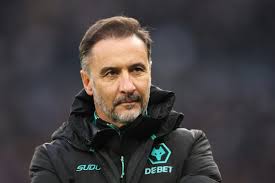
Vitor Pereira said: “I do not know. It was five metres in front of me and my perception of it was that he (Anderson) touched the ball. I have not reviewed the play so I cannot speak about the situation.”
The match’s outcome and the controversial decision have sparked discussions about the effectiveness and consistency of VAR in football. As Forest prepares for the crucial second leg, the debate over VAR’s role in the game continues to dominate headlines.
About The Author