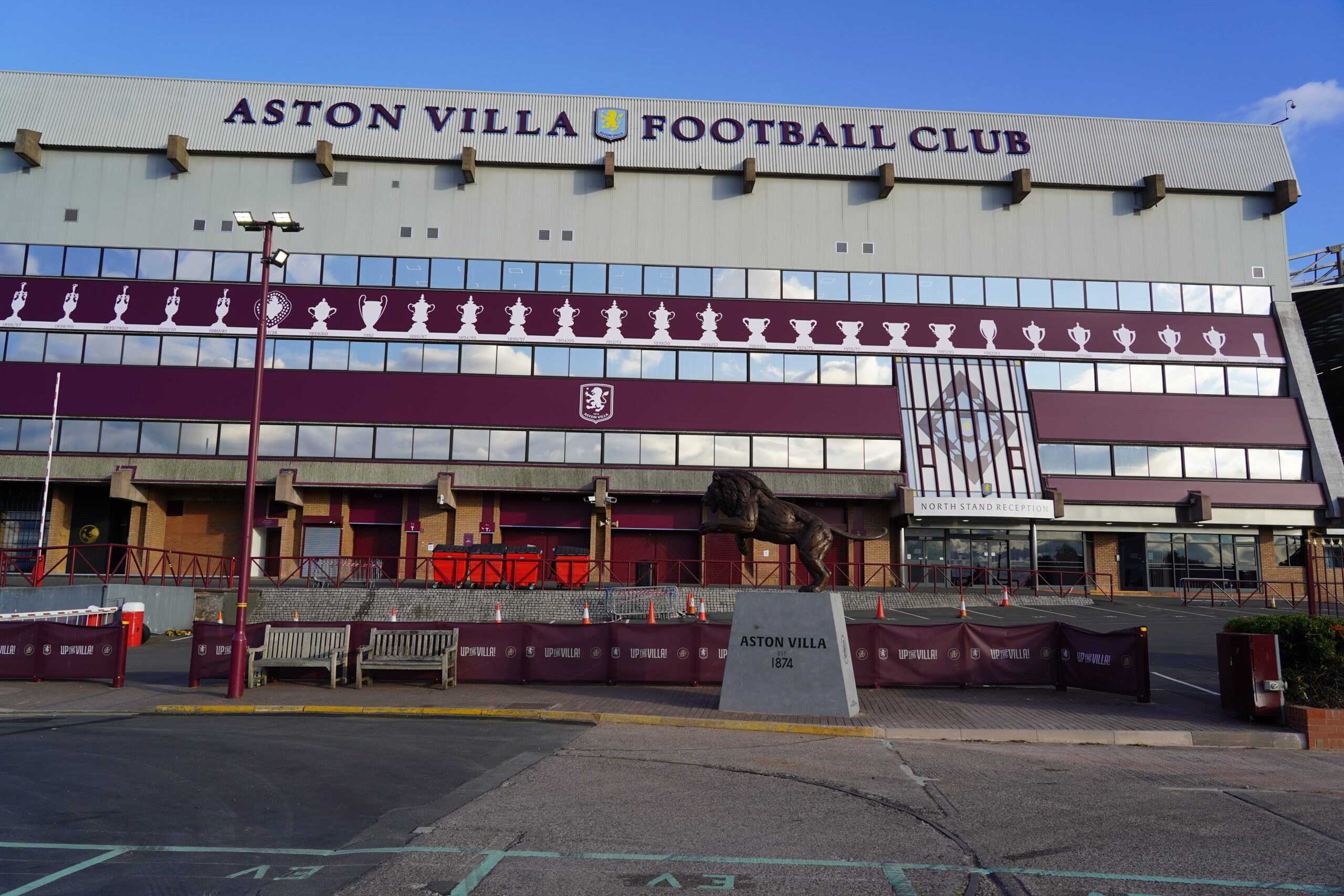
Aston Villa Stadium Villa Park
Aston Villa’s financial performance last season saw a significant boost, with overall revenue climbing to approximately £387 million, a notable increase from the previous year’s £282 million. This growth positioned Villa among the top 25 revenue earners in Europe, with a rise of over £100 million. Despite this financial success, Villa faces challenges in competing with the financial might of clubs like Manchester United, which maintains a £307 million revenue gap over Villa. This disparity highlights the constraints Villa faces in the transfer market, particularly when compared to Manchester United’s summer spending spree on players such as Matheus Cunha, Bryan Mbeumo, and Benjamin Sesko. However, Villa’s current standing in the Premier League and their progress in the UEFA Europa League offer a promising outlook for the club’s future.
Christian Purslow said: “Newcastle and Villa have really made huge strides in the last two or three years on the field. They have both got into the Champions League, but have also found navigating PSR very challenging. Just this week we saw Newcastle have had really significant growth in turnover, now the biggest outside the big six, but only half of those top clubs. As we repeatedly explain, they can spend on half of their [big six] wages. What do you do? You grow your revenues. Why is that? It is simple. Arriving in the Champions League, of course, increases visibility. You might imagine that overnight it makes you a Champions League club that can suddenly say, instead of asking for £15 million for a front-of-shirt sponsor, we want the £55 million or £60 million that Manchester United gets. It does not work like that. Visibility is not the same as established global brand recognition. That’s what these brands are playing for. You need a long-standing, demonstrable track record of year-in, year-out success in football, globally, at the top levels of Europe and Premier League football. Same for Newcastle. Brands are signing up for three, four, five-year agreements. Imagine how frustrating that is for Villa and Newcastle fans. It is nobody’s fault, it is just a fact.”
Christian Purslow continued: “It is helpful, but utterly irrelevant to the cold, hard business decision of ‘how much will I pay in 2026 to be on the front of Aston Villa’s shirt’. You look at Liverpool and Manchester United, and United haven’t been ripping it up on the field, but their global recognition and fanbase – that’s what drives the value of those sponsorship deals. When Villa moved to adidas and Manchester United renewed with adidas, I think United’s adidas deal is 10 times larger than Villa’s. It’s the same broad deal because they are paying for years and years of United’s visibility.”
Despite the challenges, Villa’s potential return to the Champions League and their UEFA Europa League quarter-final berth present opportunities for further growth. However, the club must navigate UEFA’s squad cost rules, which limit spending relative to revenue. Purslow’s insights underscore the importance of sustained success and brand recognition in securing lucrative sponsorship deals, a challenge that Villa and clubs like Newcastle must overcome to compete financially with Europe’s elite.
About The Author