Sir Jim Ratcliffe Glazers
**
The Association of Former Manchester United Players (AFMUP), established in 1985, is facing a precarious financial situation following the withdrawal of key funding. The association has historically organized events such as dinners and golf days, raising over £2 million for former players, their families, and various charities. However, recent cancellations of two significant events last year, attributed to venue and catering expenses, have placed the association’s future in jeopardy.
John Aston, a key player in Manchester United’s 1968 European Cup victory, recently suffered a stroke and remains hospitalized. Reports indicate that former players managed to collect £5,000 for a wheelchair, with the club matching this amount. Despite this, the AFMUP lacks the resources to provide further assistance. Aston’s wife has expressed concerns over the family’s inability to receive government support, highlighting the financial burden of covering nurse visits, which cost £80 each, four times daily, to facilitate Aston’s return home.
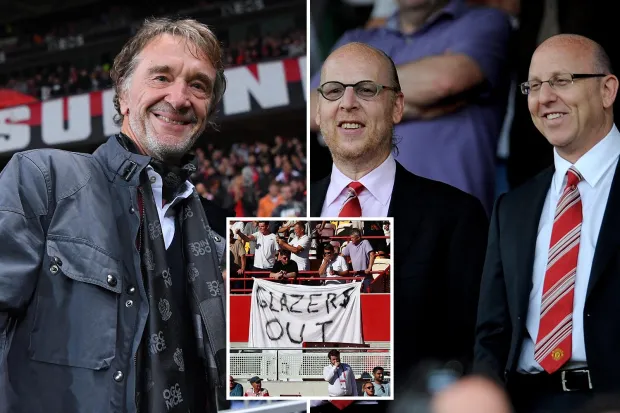
Sir Jim Ratcliffe said: “The costs were just too high. The biggest correlation, like it or not, between results and any external factor – is profitability. The more cash you’ve got, the better squad you can build. It’s like a Formula One car – the better car you can build, the quicker you go. The better your squad, the better your football should be. So a lot of what we’ve done in the first year is spend an awful lot of time putting the club on a sustainable, healthy footing. If you look at our results for last year, we have the highest revenues ever. Profitability, the second highest ever. We’re not seeing all the benefits of the restructuring that we’ve done in this set of results, and we weren’t in the Champions League.”
Ratcliffe, who invested £1 billion to secure a 27.7% stake in Manchester United in February 2024, has implemented a series of cost-cutting measures at the club. These measures have included increasing matchday ticket prices to £66 per fixture, with no reductions for children or pensioners, a move that has drawn criticism from supporters. Ratcliffe has defended these decisions by emphasizing the importance of strengthening the club’s financial position to achieve long-term success on the field.
The financial strategies employed by Ratcliffe have sparked debate among fans and stakeholders. While the club has reported its highest revenues and second-highest profitability ever, the benefits of restructuring are yet to be fully realized. Ratcliffe’s approach underscores a broader trend within football, where financial health is increasingly seen as a crucial factor in building competitive teams.
As the AFMUP grapples with its financial challenges, the situation highlights the broader implications of financial decisions made at the club level. The association’s struggle to support its members, like John Aston, underscores the need for sustainable funding solutions to ensure the welfare of former players and their families.
About The Author