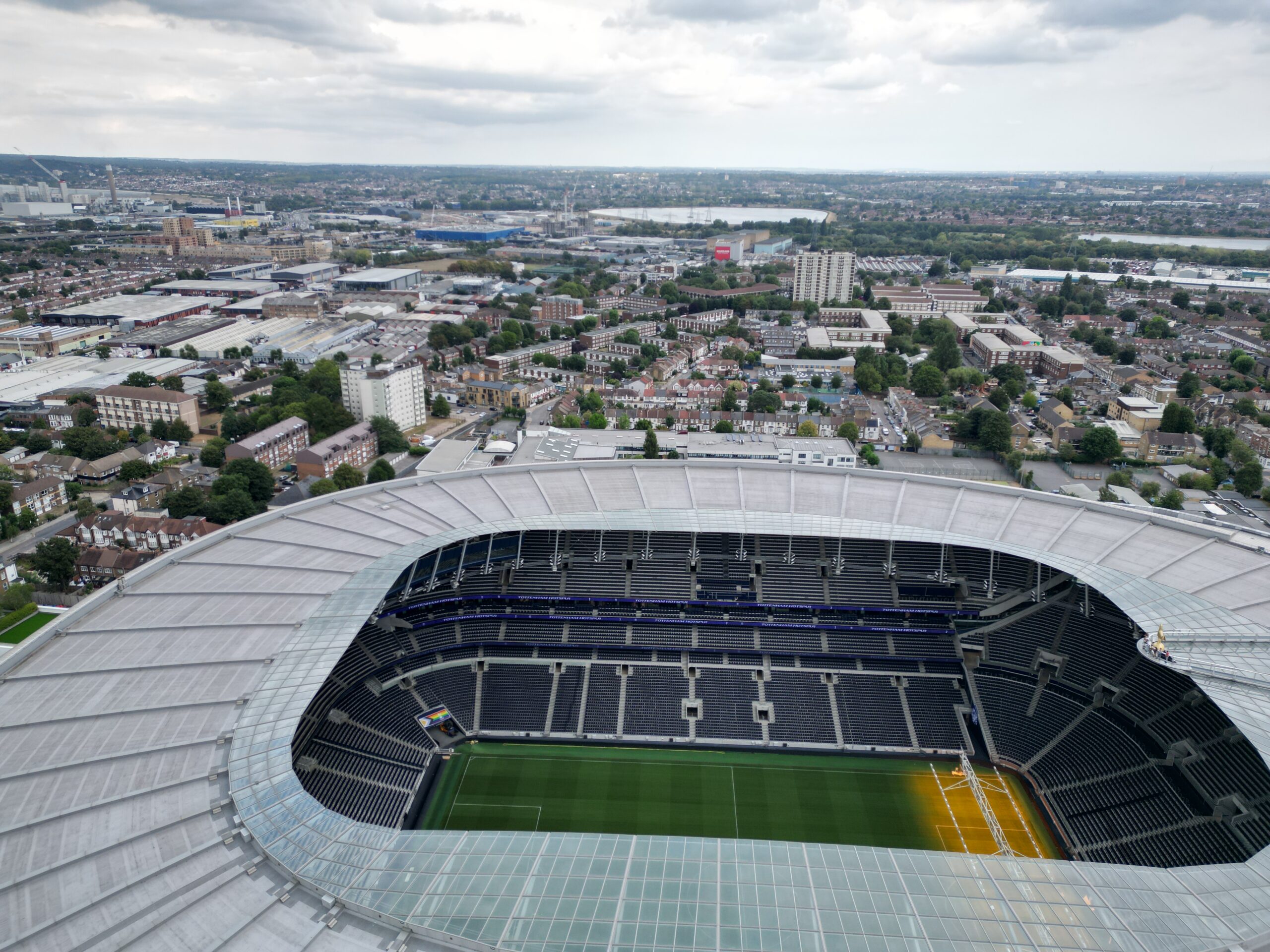
Tottenham Stadium
Tottenham Hotspur’s injury woes have reached a critical point this season, with Xavi Simons’s recent Anterior Cruciate Ligament (ACL) injury marking the club’s 36th separate injury of the campaign. The persistent injury crisis has sparked intense scrutiny from fans and pundits alike, particularly regarding the role of the club’s medical staff. This issue has spanned across different managerial regimes, including Ange Postecoglou, Thomas Frank, and Roberto De Zerbi, with interim management by Igor Tudor.
Ben Dinnery said: “It’s something that’s always levied at the backroom team when we see high amount of incidents. Initially, when people see a high number of injuries, they instantly default back to the club’s medical staff. The reality of the situation is depending on the types of injury and depending on the mechanism of that injury, i.e. how it happened, it will have little or absolutely nothing to do with the medical staff. For the most part, they’re reactive. So, injury occurs, they are then passed on to physiotherapists and club doctors. There will be peaks and troughs, setbacks along the way. There’s definitely been a move away from sort of time-based recovery programmes. So, in the past, you may have seen things around, players with an ACL injury will look to maybe that 12-week mark for running. It’s based on the individual, how their response is to that treatment and whether they suffer any reaction along the way. If all is well and they progress and they move and they get a green light, then they move on to the next stage of that recovery and rehab programme. If it’s not, if there’s an adverse reaction, they take a step back. So, we’re moving away from those sort of set-in-stone timelines. We have a good understanding of how long, in theory, these recovery timelines should take based on big data sets. And again, if you were to look at that, then people can look at maybe the James Madison one, if you want to think about those timelines. And based upon what we’ve seen across the Premier League over the last maybe 15 years, then James Madison has returned ahead of schedule. Around sort of two to three weeks [early]. I think Maddison has done maybe 250-ish days for an ACL recovery, whereas Premier League averages in the 270 to 280 range. There’s never one magic bullet that solves everything. There will be several influencing factors. And so to sort of generalise across the board is probably a little bit lazy and a little bit naive. If you’re going to start taking aim, then really you need to understand the types of injuries, where they occurred and how they occurred. And look at the likes of player loading, et cetera. One of the biggest risk factors or predictors of injury risk is history, so you tend to see players who’ve had injuries in the past will be more susceptible and carry a significant risk of suffering injuries in the future.”
Tottenham’s injury list has been exacerbated by managerial changes, which often bring shifts in playing styles and training intensities. This season, Spurs have experienced three different head coaches, each with distinct approaches, potentially contributing to the muscle injuries that have plagued the squad. The club’s high-press style under Postecoglou was notably cited as a factor last season. Additionally, the introduction of new backroom staff with each managerial change can disrupt established routines and relationships, further complicating injury management.
The data paints a concerning picture for Tottenham. In the 2024/25 Premier League season, only Brighton surpassed Spurs in days lost to injuries and time-loss injuries. As of gameweek 32 in the 2025/26 season, Tottenham had already matched Arsenal in injury count, with five more injuries following. The club’s 37 injuries this season include a significant number of muscle and knee injuries, leading the league in days lost due to injury.
As Tottenham navigates this challenging period, the focus remains on understanding the root causes of these injuries and implementing strategies to mitigate them. The club’s ability to adapt and manage player health will be crucial in overcoming this persistent obstacle.
About The Author