Sir Jim Ratcliffe Glazers
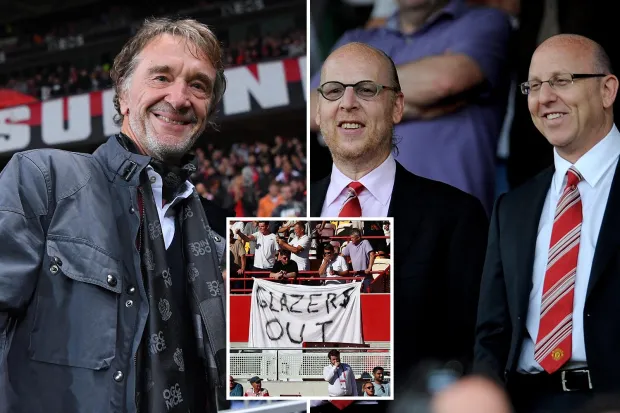
Manchester United co-owner Sir Jim Ratcliffe has come under fire following his recent controversial comments regarding immigration in the UK. The billionaire, known for his successful business ventures and ownership stake in Manchester United, claimed that Britain has been “colonised by immigrants,” a statement that has provoked a strong reaction from the public and his former neighbors.
Rob Cosgrove said: “I disagree with him. Immigrants make a country. You could argue countries like America have been built on immigrants. People bring their cultures, habits, and customs – and it makes the country richer. I think he’s betraying his roots by saying something like that. I can’t understand how someone who grew up in Failsworth can have views like that.”
Caroline Cheyne said: “Why couldn’t he think to apologise without being told to by the Prime Minister, you know? I mean, in football, they’re trying to kick out racism, and is he still chairman of Man United? Probably should get rid of him. I’m sorry, but you’re saying one thing, you try to get rid of racism, and yet the co-owner says things like that. It’s not right. Everybody thinks they can say anything they like these days.”
The remarks have stirred a divided opinion on Dunkerley Avenue in Failsworth, Oldham, where Sir Jim spent his early years. Rob Cosgrove, a long-time resident of the street, expressed his disapproval of Ratcliffe’s statements, highlighting the positive contributions of immigrants to society. Caroline Cheyne, originally from Scotland and now residing in Walkden, also criticized Ratcliffe’s comments, describing them as “absolutely disgusting” and questioning his role at Manchester United given the ongoing efforts to combat racism in football.
Sir Jim Ratcliffe, who grew up in a council house in Failsworth before amassing his wealth through his chemicals company INEOS, has been a prominent figure in British business and sports. However, his recent comments have reignited discussions about immigration and the responsibilities of public figures in addressing sensitive social issues.
The controversy also sheds light on the broader societal debate surrounding immigration in the UK, with differing perspectives on its impact and the rhetoric used by influential individuals. As the conversation continues, the focus remains on the balance between free speech and the potential harm caused by divisive statements.
About The Author