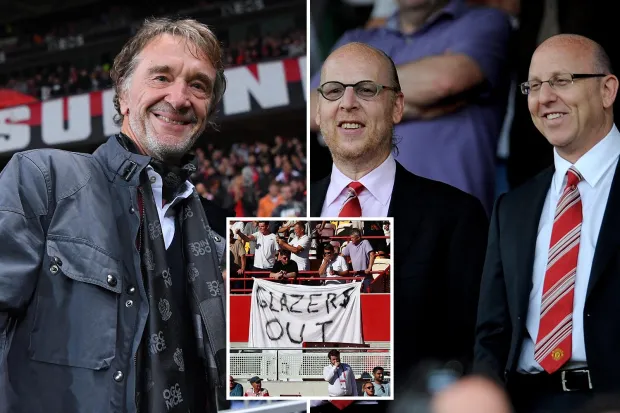
Sir Jim Ratcliffe Glazers
In a recent interview with Sky News, Manchester United co-owner Jim Ratcliffe sparked controversy with his comments on immigration and British politics. Ratcliffe suggested that the UK government needs to make “difficult” decisions, similar to those his Ineos regime has implemented at Old Trafford. His remarks have drawn criticism for echoing far-right narratives and raising concerns about their potential impact on public discourse and behavior.
Jim Ratcliffe said: “If you really want to deal with the major issues of immigration, with people opting to take benefits rather than working for a living, if you want to deal with that, then you’re going to have to do some things which are unpopular, and show some courage. I mean, the UK has been colonised. It’s costing too much money. The UK has been colonised by immigrants, really, hasn’t it? I mean, the population of the UK was 58 million in 2020, now it’s 70 million.”
Ratcliffe’s use of the term “colonised” has been particularly contentious, as it resonates with language often used in extremist narratives that portray migrants as invaders. This kind of rhetoric has been linked to real-world consequences, including an increase in hate crimes across the UK. The country has seen sustained rises in Islamophobia, anti-Semitism, and racially motivated attacks, highlighting the potential dangers of such divisive language.
The statement from Ratcliffe has also prompted a response from Manchester United, emphasizing the club’s identity as a diverse and global institution. Manchester United prides itself on its multicultural makeup, with players, staff, and supporters from various backgrounds, faiths, and ethnicities. The club’s strength, as well as that of the country, is rooted in this diversity.
While the debate on immigration policy is legitimate, the language used by influential figures like Ratcliffe can shape public behavior and attitudes. When prominent individuals adopt language that mirrors extremist talking points, it risks legitimizing prejudice and deepening societal divisions. Manchester United’s statement calls for leadership that unites rather than divides, reinforcing the club’s commitment to inclusivity and diversity.
The controversy surrounding Ratcliffe’s comments underscores the importance of responsible public discourse, especially from those in positions of influence. As a global club, Manchester United continues to advocate for a society that embraces diversity and fosters unity.
About The Author