Daniel Farke
Leeds United’s Elland Road is set to undergo a significant upgrade, aiming to blend its historic atmosphere with modern amenities. This development comes as Everton unveils its new Hill Dickinson Stadium, which has impressed many with its futuristic design. However, Leeds is focusing on retaining the unique character of Elland Road while incorporating contemporary features.
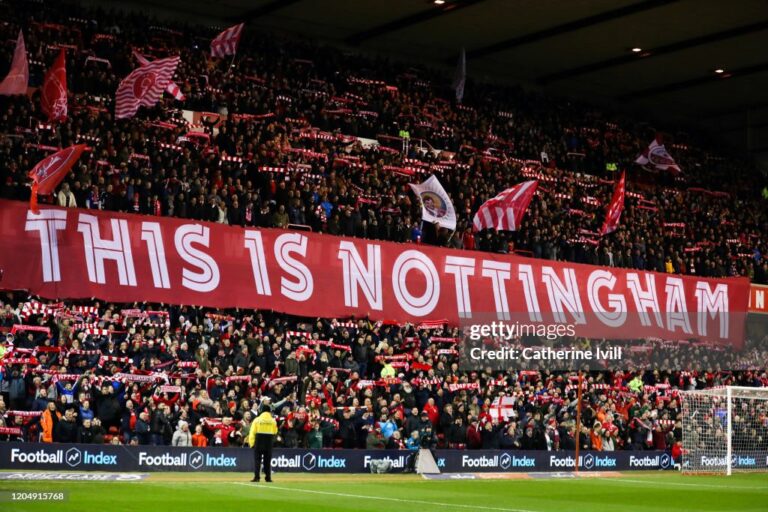
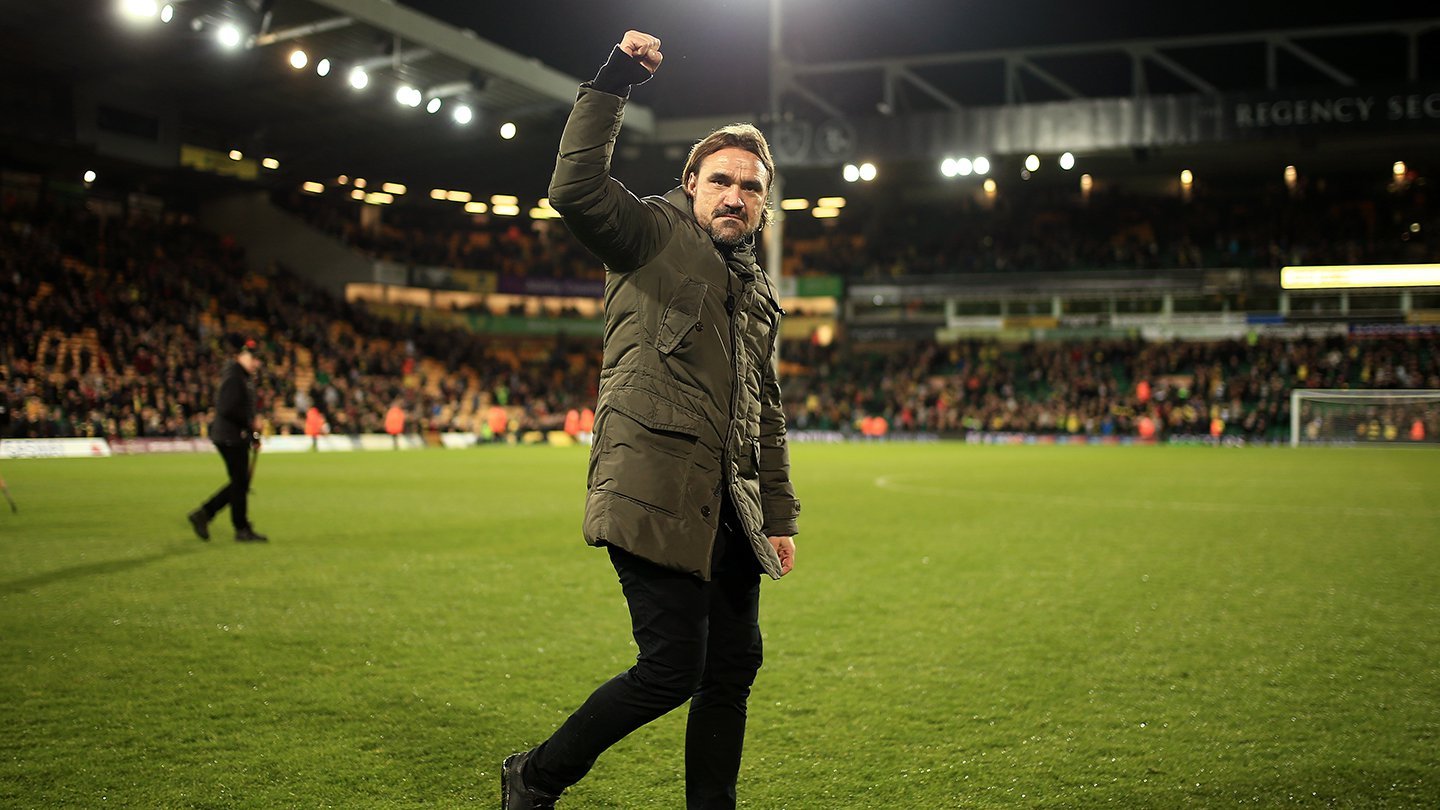
Daniel Farke said: “For us, the task will be to keep the tradition, the history of the stadium. You want to keep the very second-to-none and special atmosphere [of] Elland Road, and also to make sure that, on the other hand, it’s still a state-of-the-art and very modern stadium.”
Paraag Marathe said: “Of paramount importance is to keep the cauldron and electricity of the stadium the same as it is today. Elland Road is a stadium managers and players of other clubs don’t like playing at.”
Everton’s new Hill Dickinson Stadium has been described as other-worldly, with its metallic grey facias and pin-lights giving it a spaceship-like appearance. The stadium’s design aims to keep external elements like wind out while retaining crowd noise, enhancing the matchday experience. Despite these modern features, some Everton fans have expressed concerns about the lack of heritage and distinctiveness within the stadium.
In contrast, Leeds United’s approach to the Elland Road upgrade emphasizes maintaining its historic charm. The club has submitted and received approval for extension designs that aim to enhance the stadium’s unique atmosphere while incorporating modern facilities. The project includes buying land around the ground, allowing for future developments as part of a broader regeneration initiative.
The Hill Dickinson Stadium has already proven to be a versatile venue, with plans to host events like Rugby League’s Magic Weekend and an international friendly between Scotland and the Ivory Coast. These events are expected to drive revenue for Everton, supporting the club’s football operations. However, the lack of a distinctive identity within the stadium has raised questions about its long-term appeal.
Leeds United’s strategy focuses on creating a balance between history and modernity, ensuring that Elland Road remains a fortress for the club. This approach highlights the importance of tradition in football, even as clubs embrace new technologies and designs to enhance the fan experience.
About The Author