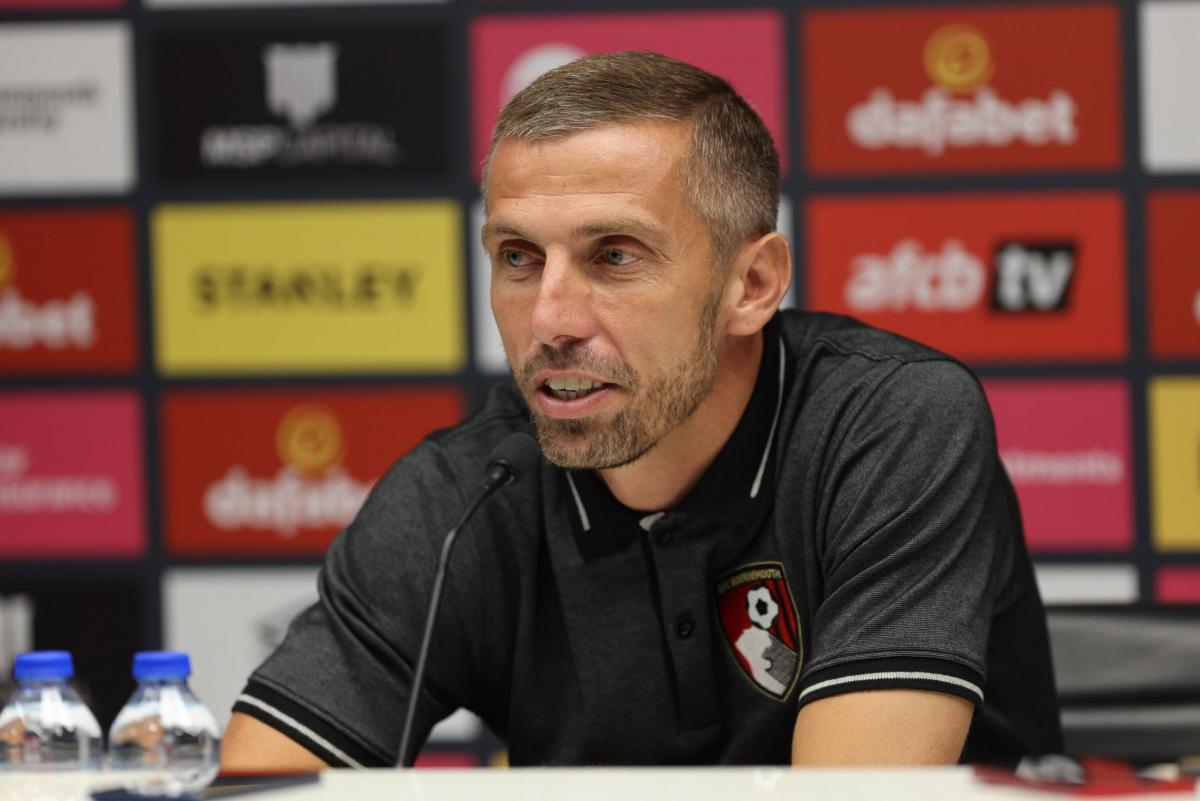
Gary O’Neil
Former Wolverhampton Wanderers manager Gary O’Neil has opened up about his time at the club, emphasizing the positive aspects of his tenure despite the challenges faced. O’Neil highlighted the tactical progress made during his stint, the integration of diverse players into his system, and the lessons learned from his experiences at Wolves.
Gary O’Neil said: “You go through the goals we’ve scored, some of the quality, some of the results. Even the Fulham game last season, so much was off the training ground. There’s a win at Chelsea when we got four moves we’d worked on since we got there. If you only focus on the end, you can convince yourself that it was an unsuccessful experience, but it wasn’t. We stayed at Wolves for a very long time. We’ve got that group of players from different cultures to buy into my way.”
“A lot was down to the bad luck of us missing people with aerial presence in that period. The more you concede, the more the confidence starts to drop. But things not going well forces your focus on to them. In my time between Bournemouth and Wolves, would I have been looking at set pieces much? Probably not. But because of how Wolves finished up it increases my focus. We’ll be much better at them the next time we go in.”
“I felt we needed to get to January. We needed to plug the hole at the back. We signed a lot of players in the summer, but a lot of young players. We were going to try and have some older ones ready to go in. I always felt like we’d have enough to turn it around but in the end you accept your fate. I think the players were incredibly frustrated in the dressing room. We were still 100% together. There wasn’t any let up at all. That West Ham game, we gave everything. But there were issues at the time, and the club were able to fix them in January.”
O’Neil’s reflections reveal a manager who is keenly aware of the intricacies of football management and the importance of adaptability. His comments highlight the tactical innovations that were implemented during his time at Wolves, particularly the set-piece strategies that were developed. Despite the challenges, O’Neil managed to foster a cohesive team spirit among players from various backgrounds, which he considers a significant achievement.
The former manager also acknowledged the impact of injuries on the team’s performance, particularly the absence of key players with aerial prowess. This setback led to a focus on defensive vulnerabilities, a learning experience that O’Neil intends to carry forward in his future endeavors. Additionally, he emphasized the importance of the January transfer window, which he believed was crucial for addressing the team’s defensive issues.
Overall, O’Neil’s tenure at Wolves, though fraught with challenges, provided valuable lessons that he plans to apply in his future managerial roles. His ability to reflect on past experiences and adapt his strategies demonstrates a commitment to continuous improvement in the ever-evolving landscape of football management.
About The Author