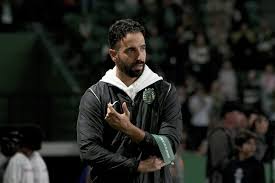
Ruben Amorim
Manchester United’s head coach, Ruben Amorim, faced criticism following the team’s 2-2 draw with West Ham, where they squandered a winning position. The spotlight was on Amorim’s second-half substitutions, which some deemed overly cautious. Despite the backlash, Amorim stood by his decisions, emphasizing that his changes were strategically made to address issues on the pitch.
Ruben Amorim said: “No,” when asked if he would change the replacements. “We are losing because of the second ball. Sometimes there’s not more men in front that you are going to win the ball. We had more men to put in the offense. Who would be more offensive? “It was the second ball. I was worried with Matheus. I know that Bruno has reached the box really well. Mason Mount is playing in his position. They were trying to push us. Bryan has a lot of pace to try to win the ball in one position. So that was my idea.”
Amorim continued: “It’s not going backwards, we had some moments,” he said. “That can happen. You were talking about when we had the [good] run we were perfect, we are not, we are really inconsistent. “If you look at the goal, 83 minutes we have a log ball and everything under control and we have to do better.”
Amorim’s substitutions included bringing on Leny Yoro for Ayden Heaven at halftime and replacing Diogo Dalot with Patrick Dorgu. Later, he opted for Mason Mount and Manuel Ugarte, taking off Joshua Zirkzee and Matheus Cunha, respectively. Despite the changes, West Ham managed to level the score in the 83rd minute, leading to further scrutiny of Amorim’s tactical approach.
The decision to leave Kobbie Mainoo on the bench, despite United needing a winner, was particularly questioned. Amorim, however, justified his choices, stating that the team was struggling with second balls and that the substitutions were intended to bolster their offensive capabilities while maintaining control in midfield.
The draw meant Manchester United missed the opportunity to climb to fifth place in the Premier League standings. Amorim expressed his frustration and anger over the late equalizer but rejected the notion that the team’s progress was stalling. He acknowledged the inconsistency in performances but remained optimistic about the team’s potential to improve.
About The Author