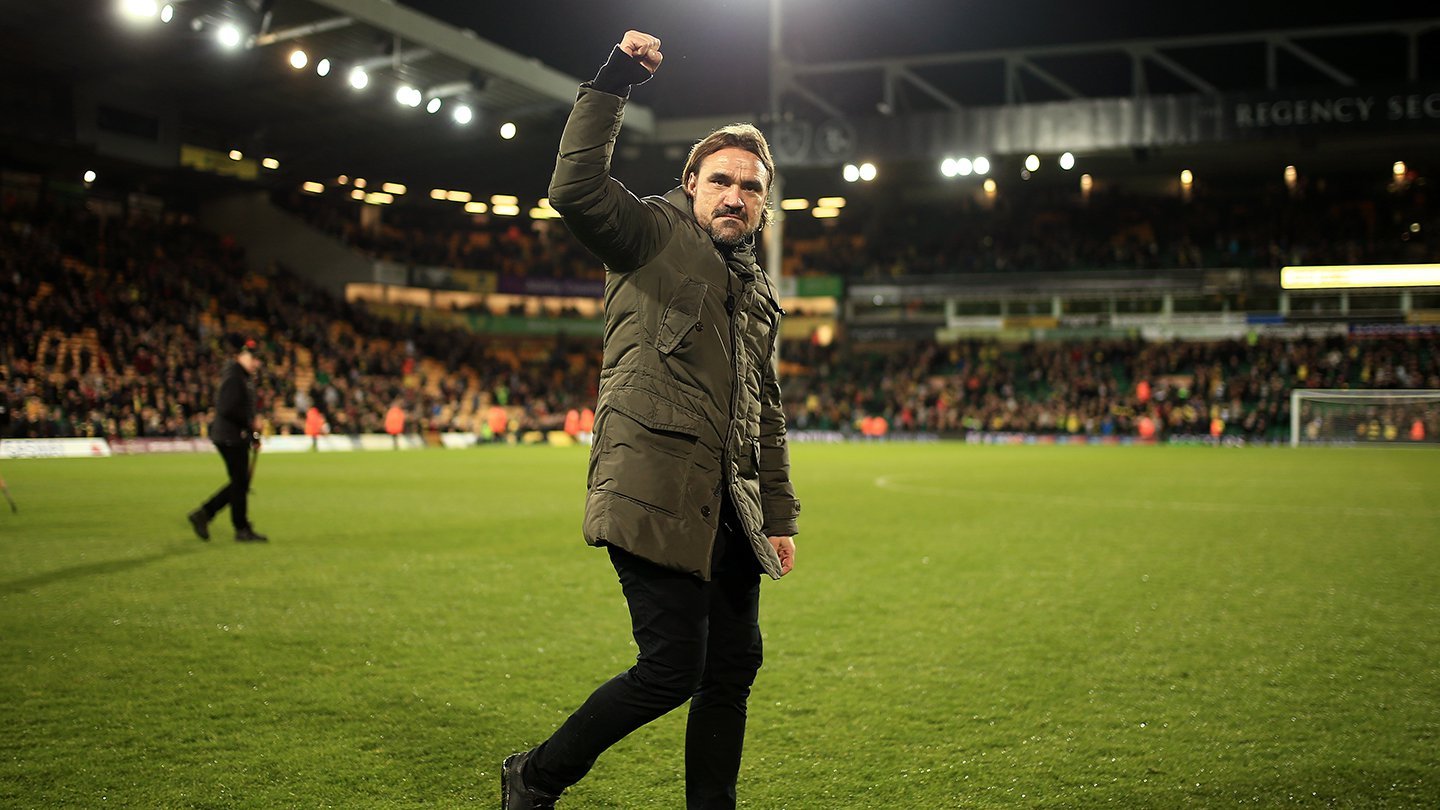
Daniel Farke
During a recent match between Leeds United and Manchester City, a pause in play led to a wave of boos and whistles from the crowd. The stoppage was intended to allow Manchester City’s Muslim players to break their fast after sunset, but it was met with mixed reactions from the fans. While some supporters claimed the jeers were directed at the Ramadan break, others attributed the noise to confusion and a reaction to previous incidents involving gamesmanship by Manchester City’s goalkeeper, Gianluigi Donnarumma, in an earlier fixture.
Daniel Farke said: “My gut feeling was that the boos were regarding what happened at the Etihad Stadium earlier in the season as well as general confusion about why the game was halted. If it was from some people’s point of view really out of being disrespectful, then it’s not acceptable. There’s no doubt about this.”
The Leeds United Supporters Network (LUSN) stated: “We fully support equality, inclusion and respect within football. We recognise the importance of religious observance and the need for sensitivity around such matters. We question whether a representative was present at the match and whether a more measured, fact-based assessment would have been more constructive.”
The LUSN further added: “The issues at hand have been conflated. We are concerned about the precedent set when national organisations issue statements without consulting local supporter groups and without fully establishing facts. Oversimplification risks deepening division and undermining trust between supporters and governing bodies. We urge all parties to approach sensitive matters with balance, thorough consultation, and a willingness to consider the broader context.”
The incident has sparked a broader discussion about the intersection of cultural practices and football. The LUSN’s statement highlighted the need for greater sensitivity and understanding when addressing religious observance in sports. They also proposed potential solutions, such as adjusting kick-off times to better accommodate religious practices, and questioned the necessity of non-Muslim players gathering on the touchline during the break.
The controversy underscores the challenges faced by football clubs and governing bodies in balancing the diverse needs of players and fans. It also highlights the importance of clear communication and consultation with local supporter groups to prevent misunderstandings and foster a more inclusive environment.
About The Author