Richard Masters Premier League
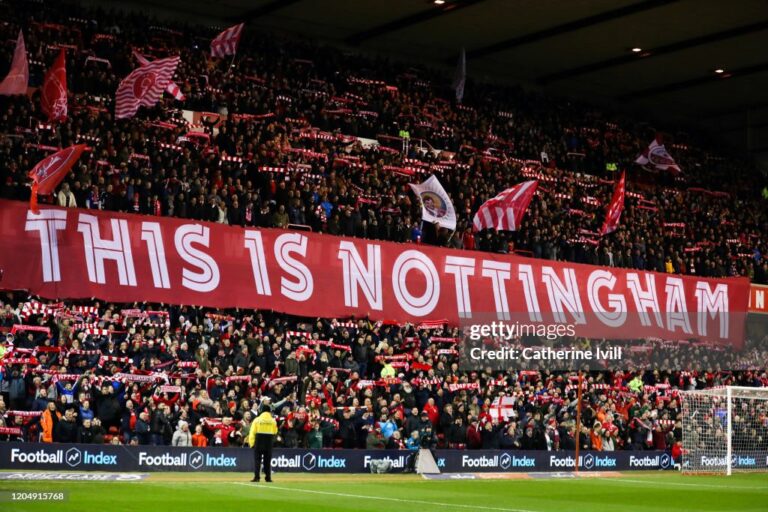
Everton supporters have united with over 430 groups from 27 countries in a collective effort to oppose the relocation of domestic league matches to international venues. This initiative, known as the Keep Football Home movement, aims to preserve the integrity of domestic leagues by preventing games from being played overseas.
Football Supporters Europe (FSE) stated: “Football is based on a set of rules and principles and the rules of domestic leagues are simple: you play the same clubs home and away and the best team wins the league. Relocating games to foreign soil undermines this vital pillar of the game. Any deviation from the existing rules is a perversion of football for the sole purpose of entertainment and short-term financial gain.”
FSE further added: “Breaking this vital bond, even temporarily, would undermine the cultural, social and local roots that give our game its meaning. The concept of flying players, staff, fans, and others across oceans for a ‘home’ game is absurd, unaffordable and environmentally irresponsible. Four years after European football stood united and defeated the super league, we are facing a similar existential threat. We invite fans, players, media, governments, and football officials to act in solidarity and take a stand at this decisive moment for the future of the game. Don’t take the game away from us.”
The movement has gained momentum as Italy and Spain’s football federations recently announced plans to host league fixtures in Australia and the United States. These proposals are pending approval from FIFA and UEFA, but they have already sparked significant backlash from fans and organizations like FSE. The Premier League faced a similar situation in 2008 when the idea of a ’39th game’ outside England was proposed. Despite initial interest from clubs, the plan was abandoned due to widespread criticism from fans and media.
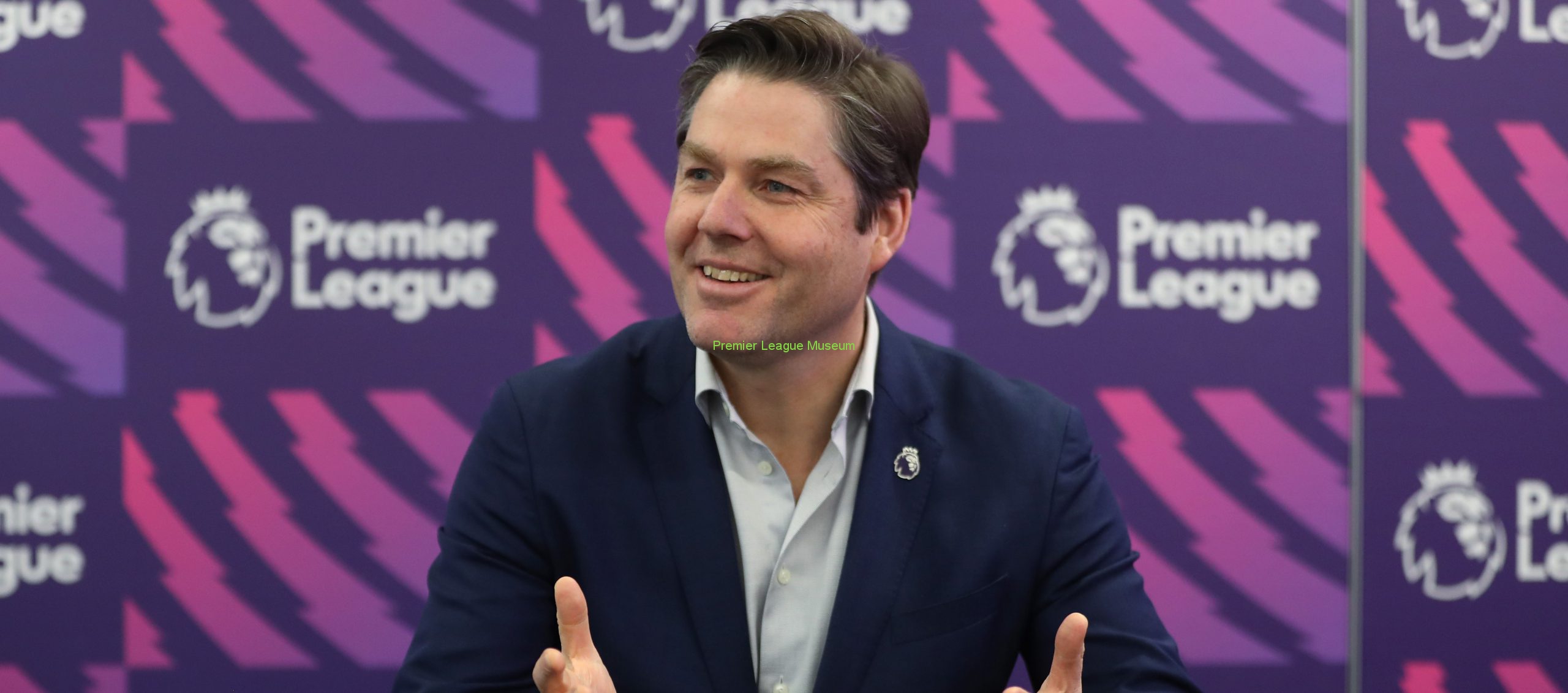
In August, Premier League chief executive Richard Masters addressed the issue, stating that there are no current plans to play matches abroad, emphasizing that the topic is not under consideration at the league’s decision-making table. This stance aligns with the sentiments of the Keep Football Home movement, which seeks to protect the cultural and local significance of football by keeping games within their traditional domestic boundaries.
The ongoing debate highlights the tension between commercial interests and the traditional values of the sport. As football continues to globalize, the challenge remains to balance financial opportunities with the preservation of the game’s core principles and its connection to local communities.
About The Author