Sir Jim Ratcliffe Glazers
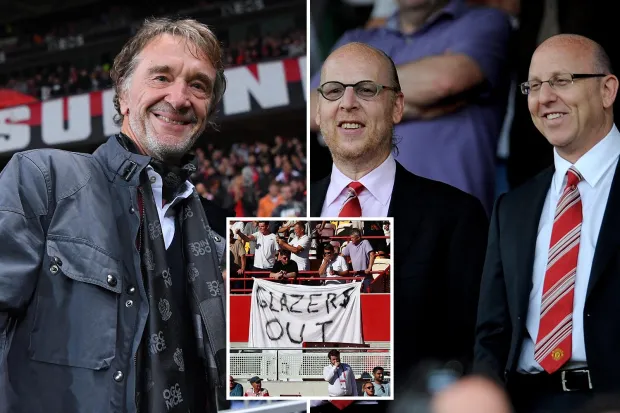
The Glazer family’s ownership of Manchester United remains a contentious issue among fans, despite recent developments in the club’s ownership structure. Last month, excitement brewed over a potential takeover following a social media post by Turki Al-Sheikh, sparking speculation about new investments in the club. However, the Glazers have retained their majority stake, selling only a minority share to Sir Jim Ratcliffe in 2024. This move has seen Ratcliffe take control of football operations with the assistance of Jason Wilcox and Omar Berrada.
Ed Glazer said: “Just to clarify, I’m not the investor, nor are they from my nation. Back in April, Ed Glazer, the youngest sibling of the family, was asked about how they decide on things with the football club. Quizzed on what the thinking behind their decision to sell a quarter of United to Ratcliffe, he said when speaking to Kogod School of Business students in Washington: ‘I think that… We’re a family business, and it was really a decision we made collectively. Not every decision is six-nothing. But, ultimately, why we have been successful as a family business is that we’ve always kind of agreed that, if the majority of family members want to do something, we realise we are in a family business and we have to do it. One day it might be something that I’m in favour of. The next day, it may be something I’m not in favour. It was a family decision [the minority takeover].'”
The Glazers have faced ongoing criticism from Manchester United supporters since their acquisition of the club in 2005, primarily due to the significant debt incurred under their ownership. The recent sale of a minority stake to Ratcliffe was seen as a strategic move to alleviate some of the operational burdens and possibly appease disgruntled fans. Ratcliffe’s involvement, along with Wilcox and Berrada, is expected to bring a fresh perspective to the club’s football operations, potentially leading to improved performance on the pitch.
Despite the changes, the Glazers’ continued majority control means they remain at the center of fan discontent. The family’s business-oriented approach to club management has often clashed with the passionate expectations of Manchester United’s global fanbase. As the club navigates this new phase under Ratcliffe’s partial leadership, it remains to be seen whether these changes will translate into tangible success and satisfy the demands of its supporters.
About The Author