Richard Masters Premier League
Newcastle United, along with other Premier League clubs, may soon see a shift in financial regulations that could unlock their full financial potential. The Premier League is contemplating changes to the current Profitability and Sustainability Rules (PSR), which have been a point of contention for several clubs, including Newcastle, due to their restrictive nature on spending. The decision, expected to be made in November, could pave the way for a more flexible financial framework.
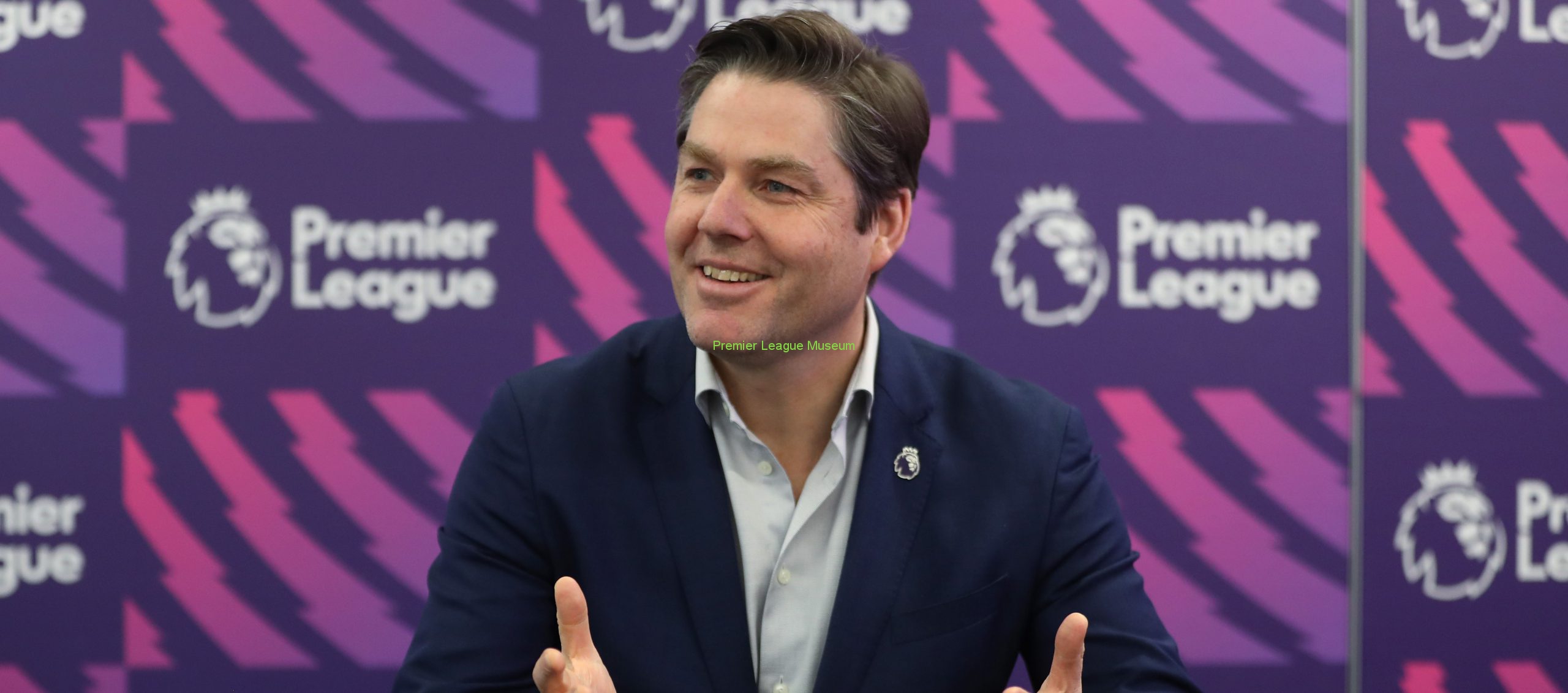
Richard Masters said: “We are talking to our clubs about an alternative system. That’s not to say we don’t think the PSR system works. It’s about closer alignment with European regulation, which is squad cost ratio, which is a revenue test. In UEFA, it’s now set at 70%. Our system will be 85% because we always want our clubs to have the ability to invest. One was an academy product we’d invested in since he joined the club as a young lad. You just think, ‘why are we doing this? This doesn’t feel right’. I understand the rules to a degree. I understand the concept but I think how it is fundamentally working at the moment is not right.”
Richard Masters continued: “The PSR is a look-back profitability test and has its own strengths and weaknesses. No system will be perfect. We have to keep these things balanced and continue the conversation with our clubs, and that’s an important decision, so we should take the time to get it right.”
The current PSR, introduced in the 2015/16 season, allows clubs to incur losses up to £105 million over a three-year cycle. However, this has been criticized by clubs like Newcastle United, who, despite being the richest club globally due to Saudi Arabian investments, find their spending ambitions curtailed. The proposed alternative system, known as the squad cost ratio (SCR), would align more closely with UEFA’s financial rules, allowing clubs to spend a percentage of their total revenues on squad-related expenses. This change could see the Premier League adopting an 85% revenue test, compared to UEFA’s 70%.
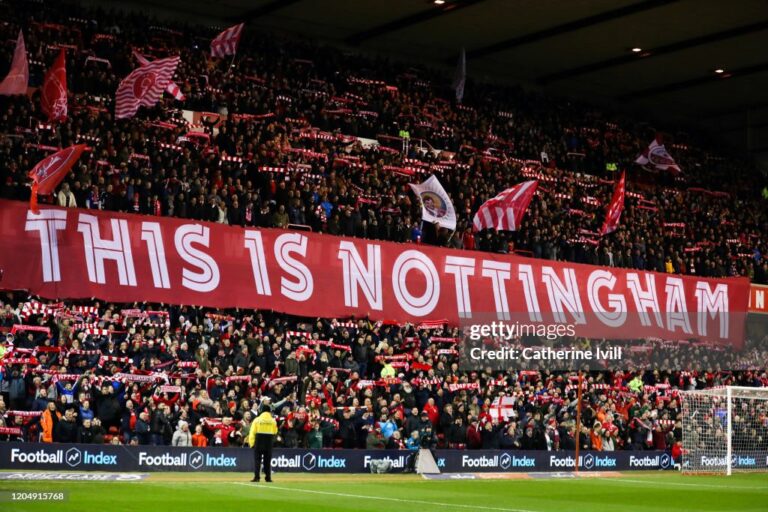
Newcastle United is not alone in its criticism of the current financial framework. Clubs like Nottingham Forest and Everton have faced penalties for breaching these rules, with points deductions in the 2023/24 season. The potential shift to SCR could provide these clubs with greater flexibility and the ability to compete more effectively at the top level.
The conversation around financial regulations is crucial for the Premier League as it seeks to balance club investments with sustainable financial practices. As discussions continue, the decision in November could mark a significant turning point for clubs like Newcastle United, eager to leverage their financial strength to achieve on-field success.
About The Author