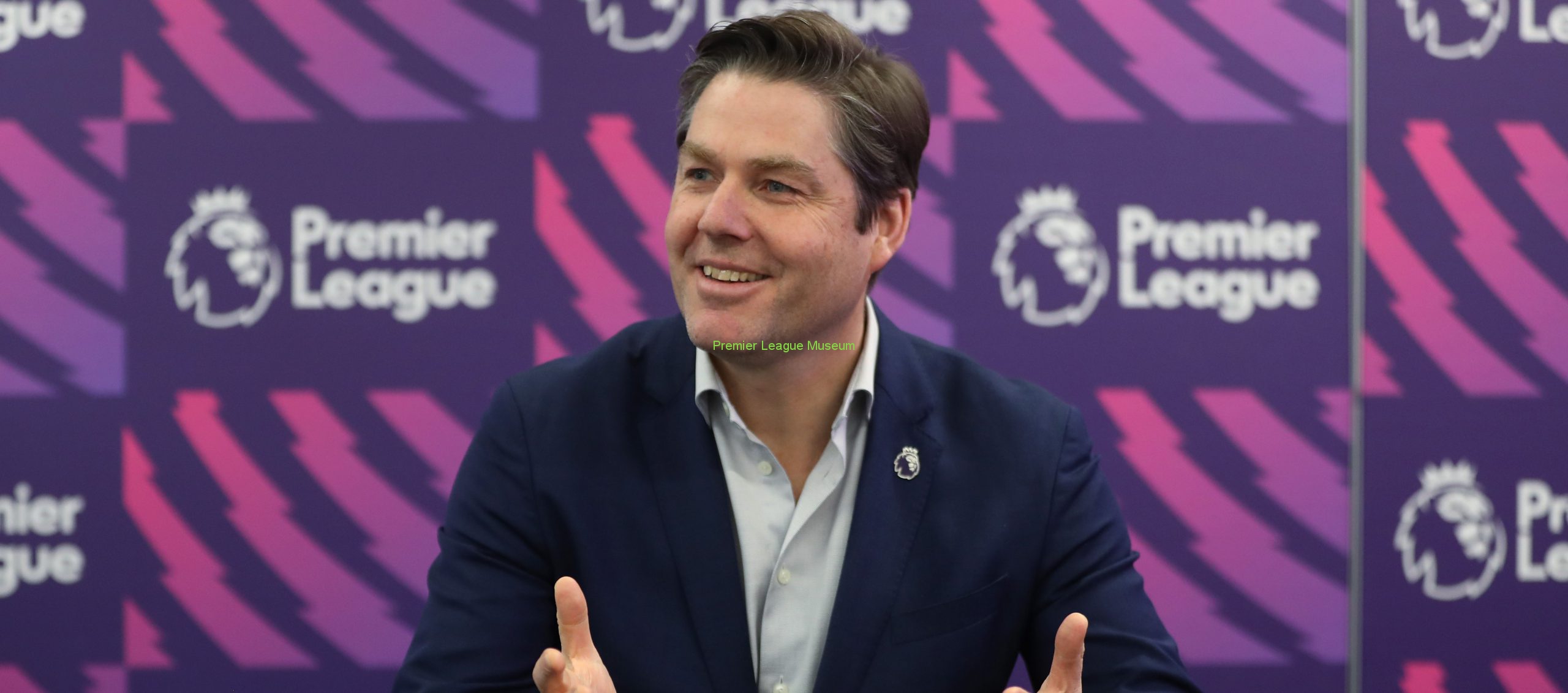
Richard Masters Premier League
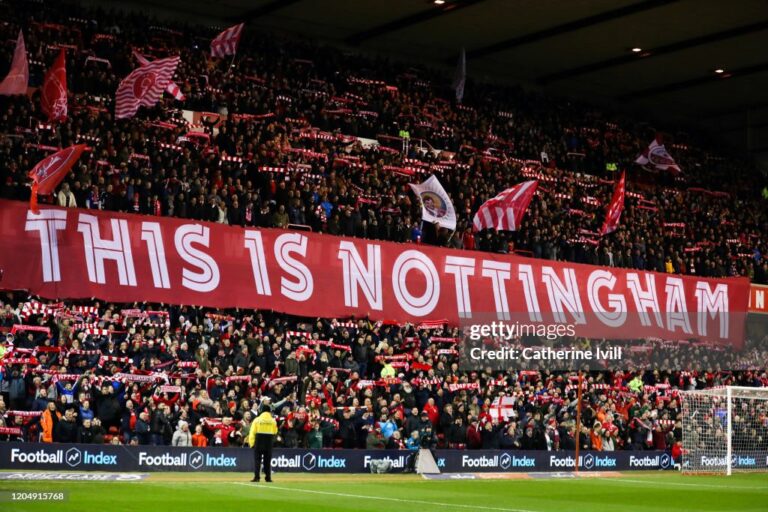
The Premier League has recently replaced the controversial Profit and Sustainability Rules (PSR) with a new financial regulation known as the Squad Cost Ratio. This change comes after significant criticism of the PSR, which allowed clubs to incur losses of up to £105 million over three years, leading to points deductions for clubs like Everton and Nottingham Forest. The new system permits clubs to spend 85% of their football-related revenues on expenses such as wages, transfers, and agent fees. However, Nottingham Forest, having qualified for the Europa League, must adhere to UEFA’s stricter 70% threshold.
Dr. Tom Bason said: “I don’t think it was hugely surprising. This was always on the cards and I think that perhaps the negative thoughts and feelings towards PSR over the last few years has meant that there was always going to be some sort of change. In terms of what they need to work towards, it’s going to be very similar. There’s a couple of slight differences is that UEFA is over a calendar year, whereas the Premier League’s is over a season. So there might be a few different changes there and there are a couple of minor things in terms of what UEFA will allow to be included and what the Premier League allowed to be included. But it’ll be broadly similar so clubs working towards UEFA’s [rules], you would hope would be able to meet the Premier League’s new restrictions.”
Bason continued: “I think it [revenue] is more important than ever and particularly football revenue. One of the big differences with PSR was that PSR looked at revenue in general. But it included all revenues, whereas squad cost ratio is now very, very much limited just to the revenues that are football related. I honestly don’t know, because PSR to an extent did allow owners to put money into clubs. So the £105million that was always quoted for PSR was only £105m if the owners were putting equity into the club. This is very explicitly what you’re able to spend is a percentage of what you earn in revenue and Marinakis writing a cheque for Nottingham Forest doesn’t count as revenue.”
He added: “I don’t think it’s going to help a huge amount, those owners that want to put in a huge amount of money. I suspect in part that this is to try and protect against that in the future, particularly the big clubs in the league don’t necessarily want a new upstart pretender with an owner who’s prepared to put in a huge amount of money and for them to chase it. That’s my initial reading of it going through the regulations over the weekend. I mean, there is a little bit of flexibility. So the 85% is the green threshold and then there’s a red threshold which goes above that. So it does allow a little bit of a loss, so there is that bit of leeway if Marinakis wants to fund some of the losses that aren’t covered by revenues, there is absolutely the opportunity.”
The transition to the Squad Cost Ratio is expected to place increased emphasis on generating football-related revenue, which could favor clubs with larger global followings and stadium capacities, such as Manchester United and Liverpool. For ambitious clubs like Nottingham Forest, this shift presents additional challenges in bridging the financial gap. The new rules restrict spending to a percentage of earned revenue, excluding owner contributions, which could limit the financial flexibility of clubs with less commercial reach.
The regulation change aims to create a more equitable financial environment in the Premier League, but it may also reinforce the existing financial hierarchy. Nottingham Forest’s owner, Evangelos Marinakis, will need to navigate these new constraints while striving to maintain the club’s competitive edge in both domestic and European competitions.
About The Author