Sean Dyche Burnley
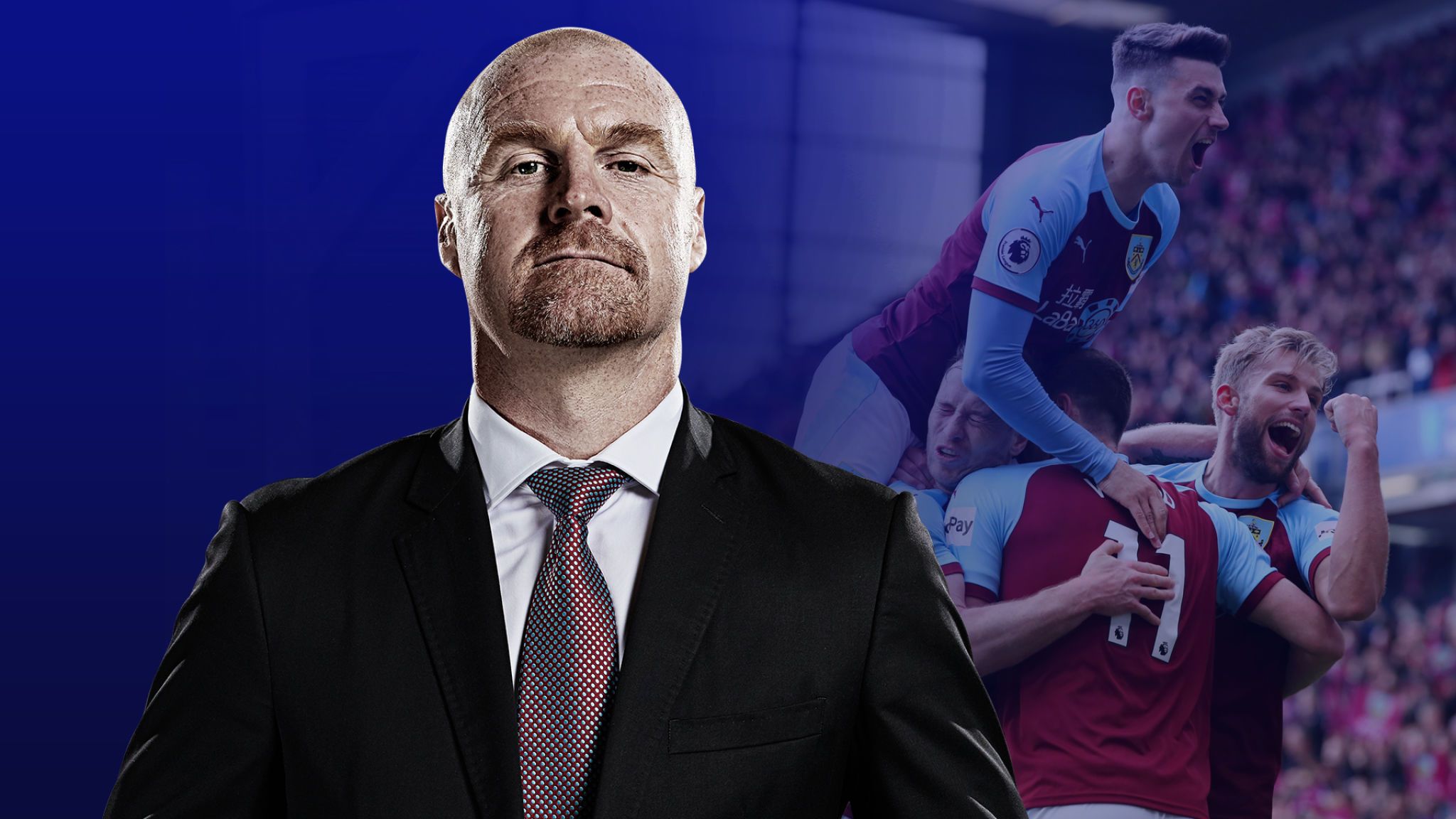
Sean Dyche, appointed as Everton’s manager in January 2023, took over the club when they were languishing at the bottom of the Premier League table with just 15 points from 20 matches under Frank Lampard. One of Dyche’s initial strategies was to distribute a questionnaire to his players, allowing them to express their thoughts on the club’s issues without fear of being identified. This exercise was aimed at fostering open communication and understanding the team dynamics better.
Sean Dyche said: “I am not going to say what it was; it is nothing too deep. It was just feedback on where it is all at, what is your opinion of it and just trying to be as open-ended as possible because by giving a question you can sometimes guide people to a place. It wasn’t about that, it was dead short, as simple as possible, and they have an option as well. You don’t have to fill it in, you are not under any obligation and I definitely don’t want your names on it. I just want feedback, honest feedback, anything you want that you think is relevant. No one will be able to see your personal information and you will only receive messages from the NottinghamshireLive Reds writers.”
Sean Dyche continued: “There is one thing I don’t do, I don’t ask people to sneak about. Not my bag that. I have been in football all my life. Within a training session or two, body language, tonality, reaction, you can tell pretty quickly who the runners and riders are.”
Dyche’s approach was designed to create an environment of transparency and trust within the team. Although he did not disclose the specific questions or responses, he mentioned that all but two players completed the questionnaire, highlighting the effectiveness of the initiative. The feedback provided Dyche with a comprehensive view of the dressing room atmosphere, which facilitated a subsequent feedback session with the players.
This method underscores Dyche’s commitment to open communication and his desire to understand the players’ perspectives. By emphasizing anonymity, he encouraged genuine responses, which he believes are crucial for assessing the team’s morale and performance. Dyche’s strategy reflects his belief in straightforwardness and his experience in the football world, where he values clear expectations and honest feedback over secrecy and indirect communication.
About The Author