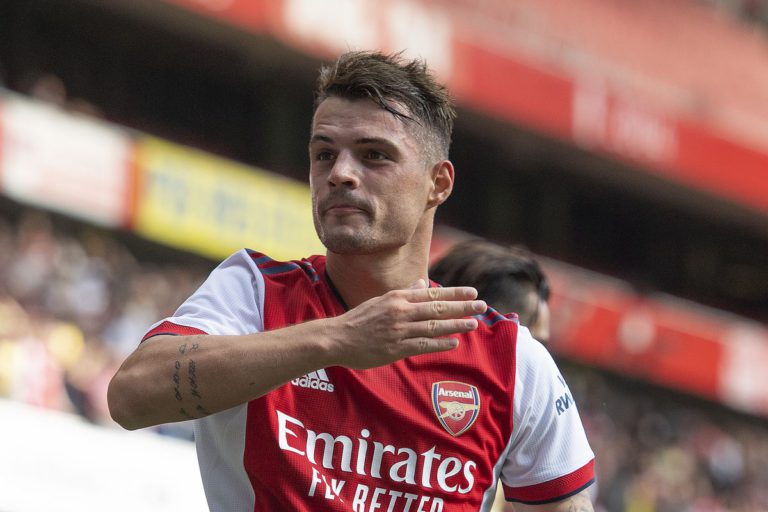
Alexander Isak
Alexander Isak’s high-profile transfer to Liverpool for a British record of £125 million on transfer deadline day marked a significant shift in his career. The striker, who was eager to leave Newcastle United, trained alone for most of the pre-season, resulting in a four-month absence from competitive play. His return to action came during the September international break with Sweden, where he was gradually reintroduced to the pitch. Although he was an unused substitute in Sweden’s World Cup qualifier against Slovenia, he made a brief appearance in their 2-0 defeat to Kosovo. Looking ahead, Isak is set for more game time in the October international break, having been named in the Swedish squad for their upcoming qualifiers against Switzerland and Kosovo.
Tomasson said: “I don’t know, to be honest, as he hasn’t played 90 minutes yet. But one thing I know is that he looks better than a month ago, which is normal. He also made an excellent assist this weekend (against Chelsea). I don’t know if it’s a long way (until he is back to his best), but we’re getting closer, as you need six weeks in a pre-season. First you play 45 minutes, then 60 minutes, 75 minutes and 90 minutes. Then you need another three weeks to be at your best. That’s normal. Whether it will be 90 minutes also depends on the matches, so I can’t give a good answer about that. We need to look at the players individually and we get data from the clubs regarding what the players can do physically and whether they can play 90 minutes or not twice. I think Alexander is a good example in terms of how Liverpool have handled him in an excellent way. Normally, you need a six-week pre-season and then another three weeks to really be at your best. It’s a tough way to get fit, but they’ve handled it well. I think he has done very well. If you look at the way he plays, the way he moves is top class. I still think he is very good.”
Isak’s transition to Liverpool has been carefully managed, with the club taking a methodical approach to his fitness and integration into the team. The strategy involves gradually increasing his playing time to ensure he reaches peak performance without risking injury. This approach contrasts with Newcastle’s handling of Yoane Wissa, who was brought in as a replacement for Isak and played international matches immediately, resulting in an injury.
Tomasson continued: “We can’t change the situation (with Isak). I’m just happy that Liverpool are doing the same thing I would have done. You can see what Newcastle did with Yoane Wissa, who came in instead of Isak. He played international matches with Congo straight away and is now injured. He is still injured. That’s also a reason why we couldn’t play him so much last month. We need a good Isak this month and next month. That’s how we plan, while Liverpool have done really well.”
Liverpool’s cautious approach aims to optimize Isak’s contributions to the team while safeguarding his long-term health and performance. The club’s strategy underscores the importance of individualized player management, particularly for high-value signings like Isak, who are expected to make significant impacts on the field.
About The Author